🧮 Body Fat Percentage Calculator
✨ Easy way to estimate your body fat using a blended U.S. Navy + BMI model.
💡 How to use: Enter accurate measurements, then press Calculate to get body fat percentage, fat mass, lean mass, and educational guidance.
⚠️ Medical Disclaimer: This calculator is for educational estimation only and is not a diagnosis. Results can vary due to hydration, body composition differences, and measurement errors. Consult a licensed healthcare professional before making medical, nutrition, or exercise decisions.
📊 Your Full Body Composition Result
🧾 Interpretation
🧮 Formula Details
🎓 Educational Guidance
📚 General Healthy Body Fat Ranges
| Sex | Essential | Athlete | Fitness | Average | High |
|---|---|---|---|---|---|
| Male | 2–5% | 6–13% | 14–17% | 18–24% | ≥25% |
| Female | 10–13% | 14–20% | 21–24% | 25–31% | ≥32% |
Source: American Council on Exercise (ACE) body fat classification.
In today’s health-conscious world, people are becoming more aware that body weight alone does not always reflect true health or fitness levels. Two individuals can weigh exactly the same yet have completely different body compositions. One might have a higher proportion of muscle, while the other may carry more body fat. This is why understanding body composition has become an important part of modern fitness and wellness tracking.
One of the most practical tools for measuring body composition is a body fat percentage calculator. Instead of focusing solely on the number shown on a scale, this calculator estimates how much of your body weight consists of fat compared to lean mass such as muscles, bones, organs, and water. By analyzing these components, individuals can gain a clearer picture of their physical condition and overall health.
Over the past decade, the use of digital health tools has grown rapidly. From wearable fitness trackers to smart scales and health apps, technology has made it easier than ever for people to monitor their bodies in detail. Among these tools, the body fat percentage calculator has become especially popular because it provides a simple way to estimate body fat levels using basic measurements like height, weight, age, and body circumferences.
Understanding your body fat percentage can be extremely helpful for many goals. Whether someone is trying to lose weight, build muscle, improve athletic performance, or simply maintain a healthy lifestyle, knowing the proportion of fat in the body provides valuable insights. For example, someone might lose several pounds during a diet but still have a relatively high body fat level if muscle mass is also lost during the process. In contrast, a person who gains muscle through strength training might see their weight stay the same while their body fat percentage decreases.
Another reason why body fat percentage has become an important metric is that it offers a more accurate view of metabolic health. Excess body fat—especially visceral fat stored around internal organs—has been linked to a variety of health risks, including cardiovascular disease, insulin resistance, and metabolic disorders. By regularly monitoring body fat levels, individuals can better understand how their lifestyle choices affect their long-term health.
A body fat percentage calculator simplifies this process by transforming physical measurements into an estimated percentage of body fat. Many calculators use formulas developed through scientific research, such as the U.S. Navy method or other body composition models. These formulas analyze measurements like waist circumference, neck size, and hip measurements to estimate fat distribution and total body fat levels.
Although these calculators do not replace medical-grade body composition tests like DEXA scans or hydrostatic weighing, they provide a convenient and accessible alternative for everyday use. Most people can use them at home with only a measuring tape and a few minutes of time. Because of this convenience, they have become a popular tool among fitness enthusiasts, personal trainers, and individuals beginning their health journeys.
Another advantage of using a body fat percentage calculator is that it encourages a more balanced perspective on health and fitness. Instead of obsessing over the scale, people can focus on improving their body composition—reducing excess fat while preserving or building lean muscle mass. This approach often leads to more sustainable and healthier results compared to traditional weight-loss strategies that rely solely on reducing body weight.
As the fitness industry continues to evolve, understanding body composition is becoming a standard part of personal health management. From athletes tracking performance to everyday individuals looking to improve their lifestyle, body fat analysis provides a deeper level of insight than weight alone. Tools like the body fat percentage calculator make this information accessible, helping people make smarter decisions about nutrition, exercise, and overall wellness.
In the following sections, we will explore how body fat percentage works, the different methods used to calculate it, and how you can interpret the results to improve your health and fitness goals. By learning how to measure and understand body fat levels properly, you can develop a clearer roadmap toward achieving a stronger, healthier body.
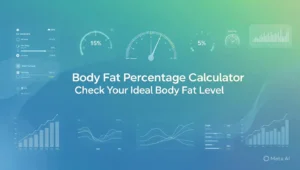
What is a Body Fat Percentage Calculator?
A body fat percentage calculator is a tool designed to estimate how much of your total body weight comes from fat mass compared to lean mass (muscles, bones, organs, and water). Unlike traditional weight measurements or BMI (Body Mass Index), which only consider overall body weight relative to height, a body fat calculator gives a more detailed picture of your body composition.
In simple terms, it answers a critical question: How much of your body is fat, and how much is not? This distinction matters because two people with the same weight and height can have very different body compositions—and therefore very different health profiles.
Body fat percentage is widely used in fitness, health tracking, weight loss programs, and athletic training. It helps individuals set realistic goals, monitor progress, and understand whether changes in body weight are coming from fat loss, muscle gain, or both.
A body fat percentage calculator typically uses mathematical formulas based on measurable inputs such as height, weight, age, gender, and body circumferences. Some advanced calculators may also integrate data from smart devices or wearable technology.
How a Body Fat Percentage Calculator Works
At its core, a body fat calculator works by applying established formulas derived from scientific research. These formulas estimate the proportion of fat in the body using easily measurable physical data.
Instead of directly measuring fat (which requires specialized equipment), the calculator uses indirect indicators like body dimensions and weight distribution. For example, the circumference of the waist and neck can provide insight into fat accumulation patterns.
The calculator processes the input data and applies a specific method—such as the U.S. Navy formula or BMI-based estimation—to generate a percentage. This percentage reflects how much of your body mass is fat.
Data Typically Required
To ensure a reasonably accurate estimate, most body fat calculators require the following inputs:
- Height
- Weight
- Age
- Gender
- Waist circumference
- Hip circumference (especially for women)
- Neck measurement
Each of these data points contributes to understanding how fat is distributed throughout the body, which is essential for calculating body fat percentage accurately.
Basic Principle Behind Body Fat Estimation
Body fat estimation is based on the principle that the human body consists of two main components:
- Fat mass: All the fat tissue in the body
- Lean mass: Everything else, including muscles, bones, organs, and fluids
The goal of any body fat calculator is to determine the ratio between these two components.
Use of Mathematical Formulas
Most calculators rely on equations developed through population studies. These formulas correlate body measurements with known body fat percentages obtained from more precise methods like DEXA scans.
For example, the U.S. Navy method uses logarithmic equations based on circumference measurements. BMI-based formulas use statistical relationships between BMI, age, and gender.
These formulas are not perfect, but they provide a practical and accessible way to estimate body fat without expensive equipment.
Comparison Between Lean Mass and Fat Mass
Understanding the balance between lean mass and fat mass is crucial for health and fitness:
- A higher lean mass generally indicates better metabolic health and physical performance.
- Excess fat mass, especially visceral fat, is associated with increased risk of chronic diseases.
Body fat percentage gives a clearer picture than weight alone because it shows whether changes in weight are due to fat loss or muscle gain.
Common Inputs Used in Body Fat Calculations
Different methods may require different inputs, but the most common variables include:
Height
Height is used to standardize body measurements and calculate proportions. It is essential in BMI-based formulas and helps adjust estimates for body size differences.
Weight
Weight provides the total mass of the body. Combined with other measurements, it helps determine how much of that mass is fat.
Waist Circumference
This is one of the most important indicators of body fat, particularly abdominal fat. A larger waist circumference is often linked to higher visceral fat levels.
Hip Circumference
Primarily used for women, hip measurement helps assess fat distribution patterns, especially in the lower body.
Neck Measurement
The neck circumference is used in formulas like the U.S. Navy method to estimate upper body fat distribution.
Age and Gender
These factors influence fat distribution and metabolism:
- Men and women store fat differently
- Body fat percentage tends to increase with age
Why These Measurements Matter
Each measurement contributes to a more accurate estimation because fat distribution varies across the body.
Body Fat Distribution
Fat is not evenly distributed. Some people carry more fat in the abdomen, while others store it in the hips and thighs. This distribution affects both health risks and visual appearance.
Visceral Fat vs Subcutaneous Fat
- Visceral fat: Located around internal organs; linked to higher health risks such as heart disease and diabetes
- Subcutaneous fat: Located under the skin; less harmful but still contributes to total body fat
Waist circumference is particularly useful for estimating visceral fat levels, making it a critical input in many calculators.
Different Methods Used in Body Fat Percentage Calculator
There are several methods used to estimate body fat percentage, each with its own advantages and limitations. Some methods are simple and accessible, while others are highly accurate but require specialized equipment.
BMI-Based Body Fat Estimation
This method uses BMI along with age and gender to estimate body fat percentage.
How It Works
BMI is calculated using height and weight. Then, an additional formula adjusts the result based on age and gender to estimate body fat.
Accuracy and Limitations
While easy to use, this method has significant limitations:
- Does not account for muscle mass
- May overestimate fat in muscular individuals
- May underestimate fat in people with low muscle mass
Despite its limitations, it is commonly used due to its simplicity.
U.S. Navy Method
This is one of the most popular methods used in online body fat calculators.
How It Works
The U.S. Navy method uses circumference measurements:
- Waist
- Neck
- Height
- Hip (for women)
It applies logarithmic equations to estimate body fat percentage.
Advantages
- More accurate than BMI-based methods
- Easy to perform at home
- Requires minimal equipment
Limitations
- Still an estimation, not a direct measurement
- Accuracy depends on proper measurement technique
Skinfold Measurement Method
This method uses calipers to measure the thickness of skinfolds at specific points on the body.
How It Works
Common measurement sites include:
- Triceps
- Abdomen
- Thigh
- Chest
The measurements are plugged into formulas to estimate body fat percentage.
Advantages
- More precise than basic calculators
- Widely used by fitness professionals
Limitations
- Requires skill and consistency
- Results can vary depending on the person taking measurements
Bioelectrical Impedance Analysis (BIA)
BIA is commonly used in smart scales and fitness devices.
How It Works
A small electrical current passes through the body. Since fat and lean tissue conduct electricity differently, the device estimates body composition based on resistance.
Advantages
- Quick and convenient
- Non-invasive
- Available in consumer devices
Limitations
- Affected by hydration levels
- Less accurate than advanced methods
DEXA Scan Method
DEXA (Dual-Energy X-ray Absorptiometry) is considered one of the most accurate methods.
How It Works
It uses low-level X-rays to differentiate between bone mass, lean mass, and fat mass.
Advantages
- Highly accurate
- Provides detailed body composition analysis
Limitations
- Expensive
- Requires specialized equipment
- Not widely accessible for everyday use
How to Use a Body Fat Percentage Calculator Correctly
Using a body fat calculator correctly is essential for obtaining reliable results. Small errors in measurement or data input can significantly affect the outcome.
Step-by-Step Guide to Calculate Body Fat Percentage
Measure Your Height
Stand straight against a wall without shoes. Use a measuring tape or stadiometer to get an accurate reading.
Measure Your Weight
Use a digital scale and weigh yourself at the same time each day, preferably in the morning.
Measure Waist Circumference
Wrap a measuring tape around your waist at the level of your navel. Ensure the tape is snug but not tight.
Measure Neck Circumference
Measure just below the larynx (Adam’s apple). Keep the tape level and relaxed.
Enter Data into the Calculator
Input all measurements accurately into the calculator. Double-check for errors before submitting.
Common Mistakes When Measuring Body Fat
Even small mistakes can lead to inaccurate results. Here are some common issues to avoid:
Incorrect Measurement Techniques
- Measuring too tightly or too loosely
- Placing the tape in the wrong position
- Inconsistent measurement points
Inconsistent Timing
Body measurements can fluctuate throughout the day due to:
- Food intake
- Water retention
- Physical activity
Always measure at the same time for consistency.
Ignoring Hydration Levels
Hydration significantly affects methods like BIA:
- Dehydration can lead to overestimation of body fat
- Overhydration can lead to underestimation
Understanding Body Fat Percentage Ranges
Knowing your body fat percentage is only useful if you understand what it means. Different ranges correspond to different health and fitness levels.
Body Fat Categories for Men
- Essential fat: 2–5%
- Athletes: 6–13%
- Fitness: 14–17%
- Average: 18–24%
- Obese: 25% and above
Body Fat Categories for Women
- Essential fat: 10–13%
- Athletes: 14–20%
- Fitness: 21–24%
- Average: 25–31%
- Obese: 32% and above
Women naturally have higher body fat percentages due to biological and hormonal differences.
Benefits of Using a Body Fat Percentage Calculator
Tracking body fat percentage offers several advantages over relying on weight alone.
Better Health Insights
Body fat percentage provides a clearer picture of health risks, especially related to:
- Cardiovascular disease
- Diabetes
- Metabolic syndrome
Improved Fitness Tracking
It helps track:
- Fat loss progress
- Muscle gain
- Overall body composition changes
Personalized Goal Setting
Instead of focusing solely on weight loss, individuals can aim for:
- Fat reduction
- Muscle building
- Balanced body composition
Limitations of Body Fat Calculators
While useful, these tools are not perfect.
Estimation, Not Exact Measurement
Most calculators provide estimates, not precise values. Results can vary depending on the method used.
Individual Variability
Factors such as genetics, body shape, and muscle distribution can affect accuracy.
Device and Method Differences
Different calculators may produce different results, even with the same inputs.
Tips for Getting More Accurate Results
To improve accuracy:
- Use the same method consistently
- Take measurements carefully
- Track trends over time instead of focusing on single readings
- Combine multiple methods if possible
Understanding Body Fat Percentage Results
After using a body fat percentage calculator, the next step is understanding what the number actually means. Many people make the mistake of focusing only on whether the number is “high” or “low,” without considering context such as gender, age, and fitness level.
Body fat percentage is not a one-size-fits-all metric. A value that is considered healthy for one person may not be ideal for another. That’s why interpreting the results correctly is just as important as calculating them.
In general, body fat percentage is categorized into ranges that reflect different levels of health and fitness. These categories help you understand where you stand and what adjustments, if any, are needed in your lifestyle or training routine.
How to Read Body Fat Calculator Results
When you get your result, think of it as a reference point, not a final judgment. Here’s how to interpret it effectively:
- Compare your result with standard body fat categories for your gender
- Evaluate whether your goal is fat loss, muscle gain, or maintenance
- Track changes over time rather than relying on a single measurement
- Consider other indicators such as energy levels, strength, and overall health
For example, if your body fat percentage is decreasing while your weight remains stable, it usually means you are gaining muscle while losing fat—a positive outcome.
Healthy Body Fat Percentage for Men
Men typically have lower body fat percentages than women due to differences in hormones and physiology. Understanding the ranges can help set realistic and healthy targets.
Athletes
- Range: 6–13%
- This level is common among professional athletes and highly trained individuals.
- It reflects excellent muscle definition and low fat levels.
- Maintaining this range requires strict diet and training discipline.
Fitness
- Range: 14–17%
- Ideal for people who exercise regularly and maintain a healthy lifestyle.
- Visible muscle tone without extreme leanness.
- Sustainable for most active individuals.
Average
- Range: 18–24%
- Typical for the general population.
- Acceptable from a health perspective, though there may be room for improvement.
- Muscle definition is usually minimal.
Obese Category
- 25% and above
- Associated with increased health risks such as heart disease, diabetes, and metabolic disorders.
- Often linked to excess visceral fat, especially around the abdomen.
Healthy Body Fat Percentage for Women
Women naturally carry more body fat than men, and this is both normal and necessary for biological functions.
Athletes
- Range: 14–20%
- Seen in professional athletes and highly active women.
- Lean physique with strong muscle definition.
Fitness
- Range: 21–24%
- Healthy and sustainable for women who are physically active.
- Balanced appearance with moderate fat levels.
Average
- Range: 25–31%
- Common among the general population.
- Acceptable for overall health, though improvements can enhance fitness.
Obese Category
- 32% and above
- Linked to higher risks of chronic diseases and hormonal imbalances.
- Often associated with sedentary lifestyle patterns.
Why Women Naturally Have Higher Body Fat
The difference in body fat percentage between men and women is not accidental—it is rooted in biology.
Hormonal Factors
Hormones such as estrogen play a significant role in fat storage and distribution. Estrogen promotes fat accumulation in areas like the hips, thighs, and breasts, which are essential for reproductive health.
In contrast, men have higher levels of testosterone, which supports muscle growth and reduces fat storage.
Biological Functions
Body fat in women serves several critical purposes:
- Supports reproductive functions
- Provides energy reserves for pregnancy and breastfeeding
- Helps regulate hormonal balance
Because of these roles, a certain level of body fat is essential for women’s overall health.
Body Fat Percentage Categories Explained
Body fat categories provide a structured way to interpret body composition. Each category reflects a different level of fat accumulation and its potential impact on health and performance.
Essential Fat
Essential fat is the minimum amount of fat required for basic physiological functions.
Functions of Essential Fat
- Protects internal organs
- Supports hormone production
- Aids in nutrient absorption
- Maintains cell structure
Too little essential fat can lead to serious health issues, including hormonal imbalances and weakened immune function.
Athletic Body Fat Range
This range is typical for athletes who train intensively and maintain strict nutrition plans.
- High muscle definition
- Low levels of body fat
- Optimized for performance rather than long-term sustainability
While visually appealing, maintaining this level year-round can be challenging and may not be necessary for general health.
Fitness Level Body Fat
This is the target range for most active individuals.
- Balanced body composition
- Good muscle tone
- Sustainable with consistent exercise and proper nutrition
It represents an ideal balance between performance, appearance, and long-term health.
Average Body Fat Range
This range includes the majority of the population.
- Moderate fat levels
- Limited muscle definition
- Generally acceptable for basic health
However, individuals in this category may benefit from lifestyle improvements such as increased physical activity and better nutrition.
Obese Body Fat Level
This category indicates excessive fat accumulation.
Health Risks
High body fat percentage is associated with:
- Cardiovascular disease
- Type 2 diabetes
- High blood pressure
- Joint problems
- Reduced mobility
Visceral fat, in particular, poses significant risks because it surrounds vital organs and disrupts metabolic processes.
Benefits of Using a Body Fat Percentage Calculator
A body fat percentage calculator is more than just a number generator—it’s a practical tool that supports smarter health and fitness decisions.
Better Fitness Tracking
Unlike body weight, which can fluctuate due to water retention or muscle gain, body fat percentage provides a clearer picture of real progress.
- Tracks fat loss over time
- Helps monitor muscle gain
- Provides more meaningful feedback than weight alone
More Accurate Than Weight Scale Alone
Relying only on a scale can be misleading.
For example:
- You might lose fat but gain muscle, resulting in little change in weight
- Water retention can temporarily increase weight
Body fat percentage eliminates much of this confusion by focusing on composition rather than total mass.
Useful for Weight Loss Programs
For anyone on a weight loss journey, understanding whether the weight loss comes from fat or muscle is crucial.
- Ensures fat loss is the primary goal
- Helps adjust diet and training strategies
- Prevents muscle loss during calorie deficits
This makes body fat tracking a key component of effective and sustainable weight loss programs.
Helpful for Athletes and Bodybuilders
Athletes and bodybuilders rely heavily on body composition data to optimize performance.
- Plan cutting and bulking phases
- Maintain optimal competition condition
- Improve strength-to-weight ratio
During a cutting phase, for example, the goal is to reduce body fat while preserving muscle mass—something that can only be accurately tracked through body fat percentage.
Body Fat Percentage vs BMI
When it comes to measuring health and fitness, two of the most commonly used metrics are Body Fat Percentage and Body Mass Index (BMI). While both aim to evaluate body condition, they work in very different ways and offer different levels of accuracy.
BMI has long been used as a quick screening tool, especially in medical and public health settings. However, body fat percentage is increasingly preferred in fitness and performance contexts because it provides a deeper understanding of body composition.
In short: BMI tells you how heavy you are relative to your height, while body fat percentage tells you what your body is actually made of.
Limitations of BMI
BMI is calculated using only height and weight. While this makes it simple and fast, it also introduces several major limitations.
Does Not Differentiate Between Muscle and Fat
One of the biggest flaws of BMI is that it cannot distinguish between lean mass and fat mass.
- A muscular athlete may be classified as “overweight” or even “obese”
- A person with low muscle mass but high body fat may fall into the “normal” category
This can lead to misleading conclusions about a person’s health.
BMI also does not account for fat distribution, which is a key factor in determining health risks. For example, abdominal fat (visceral fat) is far more dangerous than fat stored in other areas, but BMI cannot detect this difference.
Why Body Fat Percentage Is More Accurate
Body fat percentage provides a more realistic and detailed picture of physical health because it directly measures body composition.
Measures Actual Body Composition
Instead of relying on total weight, body fat percentage separates:
- Fat mass
- Lean mass (muscles, bones, organs, water)
This allows for more precise insights, such as:
- Whether weight loss comes from fat or muscle
- Whether muscle gain is improving overall composition
- How fat is changing over time
For example, two individuals with the same BMI could have completely different body fat percentages—and therefore very different health risks.
Because of this, body fat percentage is widely used in:
- Fitness tracking
- Athletic performance optimization
- Body recomposition programs
When BMI Is Still Useful
Despite its limitations, BMI is not entirely useless. It still plays an important role in certain contexts.
Screening Large Populations
BMI is effective for:
- Public health studies
- Large-scale screenings
- Identifying general trends in obesity rates
Because it is simple, fast, and requires minimal data, it is practical for analyzing large groups of people.
However, for individual assessments—especially in fitness and health optimization—BMI should ideally be combined with body fat percentage for better accuracy.
Factors That Affect Body Fat Percentage
Body fat percentage is influenced by a wide range of factors. Understanding these variables can help you interpret your results more accurately and make better decisions about your health.
Age
As people age, body composition naturally changes.
Metabolism Slows Down Over Time
- Muscle mass tends to decrease (sarcopenia)
- Fat accumulation becomes easier
- Basal metabolic rate declines
Even if body weight remains stable, body fat percentage may increase over time due to loss of muscle mass.
This is why maintaining strength training and proper nutrition becomes increasingly important with age.
Gender
Men and women have different body fat levels due to hormonal and physiological differences.
Hormonal Differences
- Testosterone promotes muscle growth and reduces fat storage
- Estrogen supports fat storage for reproductive functions
As a result:
- Men typically have lower body fat percentages
- Women naturally carry more fat in areas like hips and thighs
These differences are normal and should be considered when evaluating results.
Genetics
Genetics play a significant role in determining how your body stores and burns fat.
Predisposition to Fat Storage
Some people are genetically inclined to:
- Store fat more easily
- Accumulate fat in specific areas (e.g., abdomen vs hips)
- Have a naturally higher or lower metabolism
While genetics cannot be changed, lifestyle choices can still significantly influence body fat percentage.
Diet and Nutrition
What you eat directly affects your body composition.
Role of Macronutrients
- Protein: Supports muscle growth and helps preserve lean mass
- Carbohydrates: Provide energy for workouts and daily activity
- Fats: Essential for hormone production and overall health
An unbalanced diet—especially one high in processed foods and excess calories—can lead to increased fat storage.
On the other hand, a well-structured nutrition plan supports fat loss while maintaining muscle mass.
Physical Activity
Exercise is one of the most powerful tools for managing body fat percentage.
Strength Training vs Cardio
- Strength training builds muscle, which increases metabolism and improves body composition
- Cardio helps burn calories and supports heart health
The most effective approach usually combines both:
- Strength training for long-term metabolic benefits
- Cardio for additional calorie expenditure
Consistency is key—regular activity leads to sustainable fat loss and better overall health.
Tips to Reduce Body Fat Percentage Safely
Reducing body fat percentage should be approached in a healthy and sustainable way. Extreme dieting or overtraining can do more harm than good.
The goal is not just to lose weight, but to lose fat while preserving (or even building) muscle.
Focus on Sustainable Calorie Deficit
Fat loss occurs when you consume fewer calories than your body uses.
How to Manage Your Diet
- Create a moderate calorie deficit (not extreme)
- Prioritize whole, nutrient-dense foods
- Avoid crash diets that are difficult to maintain
A sustainable approach ensures long-term success and reduces the risk of regaining fat.
Strength Training for Fat Loss
Building muscle is one of the most effective ways to improve body composition.
Increase Metabolism Through Muscle
- Muscle tissue burns more calories at rest than fat
- Strength training helps preserve lean mass during fat loss
- Improves overall body shape and definition
Aim for regular resistance training sessions each week, focusing on progressive overload.
High-Protein Diet Strategy
Protein plays a crucial role in fat loss and muscle maintenance.
Importance of Protein
- Helps preserve muscle during calorie deficit
- Increases satiety (you feel fuller longer)
- Supports recovery and muscle growth
A higher protein intake is often recommended for individuals trying to reduce body fat percentage.
Improve Sleep Quality
Sleep is often overlooked but has a major impact on body composition.
Sleep and Fat-Regulating Hormones
Poor sleep affects hormones such as:
- Leptin (satiety hormone)
- Ghrelin (hunger hormone)
Lack of sleep can lead to:
- Increased appetite
- Cravings for high-calorie foods
- Reduced recovery from workouts
Aim for consistent, high-quality sleep each night to support fat loss.
Stress Management
Chronic stress can interfere with fat loss efforts.
Cortisol and Fat Storage
Stress increases cortisol levels, which can:
- Promote fat storage, especially in the abdominal area
- Increase cravings for unhealthy foods
- Disrupt sleep and recovery
Managing stress through techniques such as:
- Exercise
- Meditation
- Relaxation practices
can help maintain a healthier body composition.
Best Situations to Use a Body Fat Percentage Calculator
A body fat percentage calculator is not just for fitness professionals—it’s a practical tool that can benefit a wide range of people in different situations. The key is knowing when and why to use it.
While anyone can use a body fat calculator, certain groups gain the most value because they rely on accurate body composition data to guide decisions, track progress, and optimize results.
Weight Loss Journey
For individuals trying to lose weight, a body fat percentage calculator is far more insightful than a regular scale.
- Helps distinguish between fat loss and muscle loss
- Prevents frustration when weight doesn’t drop but composition improves
- Provides clearer progress tracking over time
For example, you might not see a big change on the scale, but your body fat percentage could be decreasing—which is actually a positive sign.
Using a body fat calculator regularly during a weight loss journey helps ensure that the focus stays on losing fat, not just weight.
Fitness Enthusiasts
People who exercise regularly often want to improve their physique, not just reduce weight.
- Tracks muscle gain vs fat loss
- Helps refine workout programs
- Supports body recomposition goals
Fitness enthusiasts can use body fat percentage as a performance indicator. For example, a stable weight combined with decreasing body fat usually means successful muscle development.
Athletes and Personal Trainers
For athletes and coaches, body composition is a critical performance factor.
- Optimizes strength-to-weight ratio
- Guides cutting and bulking phases
- Helps tailor training and nutrition programs
Personal trainers also use body fat calculators to:
- Assess client progress
- Set realistic goals
- Provide measurable results
Although advanced tools like DEXA scans are more accurate, body fat calculators offer a convenient and accessible alternative for regular tracking.
Health Monitoring for Adults
Beyond fitness, body fat percentage is an important health indicator.
- Helps identify risks related to obesity and metabolic diseases
- Provides better insights than weight alone
- Supports long-term health monitoring
Adults who may not be focused on athletic performance can still benefit from understanding their body composition, especially as metabolism changes with age.
Limitations of Online Body Fat Calculators
While body fat calculators are useful, they are not perfect. Understanding their limitations is essential to avoid misinterpretation and unrealistic expectations.
Estimation vs Medical Measurement
Most online calculators provide estimates, not exact values.
- Based on generalized formulas
- Derived from population averages
- Less accurate than clinical methods like DEXA scans
This means the results should be used as guidelines, not absolute truths.
Even the best formulas can have a margin of error, especially when applied to individuals with unique body compositions.
Measurement Errors
Accuracy heavily depends on how well measurements are taken.
Common Mistakes
- Incorrect placement of measuring tape
- Measuring too tight or too loose
- Inconsistent measurement timing
Small errors can lead to noticeable differences in results. For example, a slight variation in waist circumference can significantly change the calculated body fat percentage.
Consistency is more important than perfection—using the same method each time helps track trends reliably.
Individual Body Differences
Human bodies are highly variable, and formulas cannot account for every difference.
Variations in Body Shape
- Different fat distribution patterns
- Unique muscle mass levels
- Bone structure differences
For example, two people with identical measurements might still have different actual body fat percentages due to differences in muscle density or fat placement.
This is why body fat calculators should be combined with other indicators like:
- Visual progress
- Strength improvements
- Overall health markers
Future Technology of Body Composition Tracking
The way we measure and track body composition is evolving rapidly. Advances in technology are making body fat analysis more accurate, personalized, and integrated into everyday life.
AI-Based Health Calculators
Artificial Intelligence is transforming how health data is analyzed.
Personalized Health Insights
AI-based calculators can:
- Analyze multiple data points (activity, diet, sleep)
- Provide more accurate body composition estimates
- Offer personalized recommendations
Instead of relying on static formulas, AI systems continuously learn and adapt based on user data, making predictions more precise over time.
This shift moves body fat tracking from simple estimation to intelligent health analysis.
Smart Fitness Devices
Modern fitness devices are becoming increasingly sophisticated.
Smart Scales and Wearable Technology
- Smart scales use Bioelectrical Impedance Analysis (BIA)
- Wearables track activity, heart rate, and calorie expenditure
- Some devices estimate body composition in real time
These tools allow users to monitor their body fat percentage regularly without needing manual calculations.
While not as accurate as clinical methods, they offer convenience and consistency, which are crucial for long-term tracking.
Integration With Health Apps
One of the biggest trends in fitness technology is ecosystem integration.
Digital Fitness Ecosystem
- Syncs data from multiple devices
- Tracks long-term trends
- Combines metrics like body fat, weight, sleep, and activity
Health apps can provide:
- Visual progress charts
- Goal tracking
- Data-driven insights
This integration creates a more complete picture of health, allowing users to make informed decisions based on comprehensive data rather than isolated measurements.
Frequently Asked Questions About Body Fat Percentage Calculator
Understanding how a body fat percentage calculator works often leads to common questions—especially about accuracy, usage, and how it compares to other health metrics. Below are clear and practical answers to help you use this tool more effectively.
Is a body fat percentage calculator accurate?
A body fat percentage calculator is reasonably accurate for general use, but it is not 100% precise.
Most calculators rely on formulas such as the U.S. Navy method or BMI-based equations. These are based on population data, meaning they provide estimates rather than exact measurements.
Accuracy depends on several factors:
- The method used (some are more reliable than others)
- The quality of your measurements
- Your individual body characteristics
For everyday fitness tracking, these calculators are highly useful. However, for clinical-level accuracy, methods like DEXA scans or hydrostatic weighing are more reliable.
The most important thing is not perfection, but consistency. Using the same method over time allows you to track trends and progress effectively.
How often should you measure body fat?
You don’t need to measure body fat every day. In fact, doing so can be misleading due to natural fluctuations.
A good guideline is:
- Once every 2–4 weeks for most people
- At the same time of day (preferably in the morning)
- Under similar conditions (hydration, food intake, activity level)
Body composition changes gradually, so frequent measurements won’t provide meaningful new insights. Instead, focus on long-term trends rather than short-term changes.
What is the ideal body fat percentage?
The “ideal” body fat percentage depends on your goals, gender, and lifestyle.
General healthy ranges:
- Men:
- Fitness: 14–17%
- Average: 18–24%
- Women:
- Fitness: 21–24%
- Average: 25–31%
Athletes may aim for lower ranges, while general health does not require extremely low body fat levels.
It’s important to remember that lower is not always better. Extremely low body fat can negatively affect:
- Hormonal balance
- Energy levels
- Immune function
The best target is one that is healthy, sustainable, and aligned with your lifestyle.
Can you reduce body fat without losing weight?
Yes, and this is actually a common and positive outcome—especially for beginners or those doing strength training.
This process is known as body recomposition, where:
- Fat mass decreases
- Muscle mass increases
Since muscle is denser than fat, your weight may stay the same—or even increase slightly—while your body becomes leaner.
This is why relying only on a scale can be misleading. A body fat percentage calculator helps you see these changes more clearly.
Is body fat percentage better than BMI?
In most individual cases, yes—body fat percentage is more informative than BMI.
BMI only considers height and weight, which means it cannot:
- Distinguish between muscle and fat
- Detect fat distribution
- Reflect actual body composition
Body fat percentage, on the other hand:
- Measures fat relative to total body mass
- Provides clearer health and fitness insights
- Helps track real progress
However, BMI still has value for large-scale population studies and quick screenings. Ideally, both metrics can be used together for a more complete picture.
Conclusion
Understanding your body composition is one of the most important steps toward improving your overall health and fitness. While body weight alone provides limited information, body fat percentage offers a deeper and more meaningful insight into how your body is structured.
A body fat percentage calculator is a practical and accessible tool that helps you:
- Track fat loss and muscle gain
- Set realistic fitness goals
- Monitor long-term health trends
Although it is not perfectly accurate, it remains highly valuable when used consistently and correctly.
More importantly, the real benefit comes from how you use the data. Numbers alone do not create results—your habits do. Combining body fat tracking with a healthy lifestyle is the key to sustainable progress.
This includes:
- Balanced nutrition
- Regular physical activity
- Quality sleep
- Stress management
In the end, a body fat percentage calculator should be seen as a guide, not a final answer. When used wisely, it becomes a powerful tool to support smarter decisions, better health, and long-term fitness success.